After the funding drought of 2023 and 2024, 2025 finally showed signs of recovery, with global gaming industry funding climbing back upward. In Q1 2025 alone, the sector saw 373 million dollars in funding, a 35 percent increase from the previous year, showing that capital is cautiously returning to the market.
At the same time, private equity firms have become increasingly active in gaming, making large investments into publishers and studios and accelerating the growth of PE-backed publishing labels. As a result, more publishing groups are emerging and expanding their portfolios each quarter, reshaping how deals are structured and what developers can expect when seeking funding.
But while the number of publishers is increasing, the terms are getting tougher. Many of the deals that look great on the surface hide clauses that can cost a studio control, revenue, or even the ability to survive a delayed milestone.
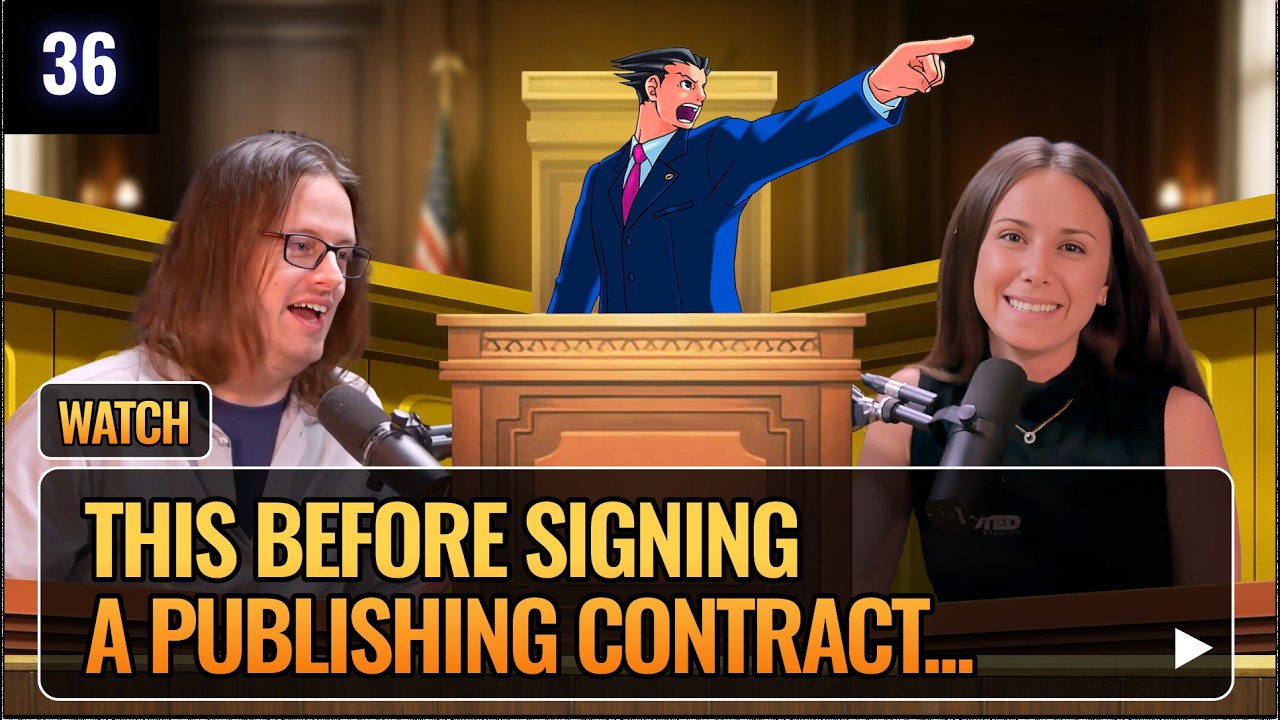
In our Devoted Speak Easy episode 36, we invited Brandon Huffman, one of the industry’s most respected video game attorneys, to walk through the clauses, traps, and financial structures that define modern publishing agreements.

Get to Know Brandon HuffmanBrandon Huffman is the Managing Attorney at Odin Law, one of the leading law firms focused on interactive entertainment. He has represented studios and developers of all sizes and has negotiated against publishers like Microsoft, Sony, Nintendo, Tencent, Disney, Netflix, and more.
We’ll break down the biggest red flags from the conversation and Brandon’s practical advice on how to stay protected. Let’s dive in.

Why Publishing Terms Are Changing in 2025
Several macro factors explain why publishing agreements have become more demanding.
Funding is recovering but still conservative
Money is returning to the market, but not with the “2020 energy.”
Publishers now require prototypes, traction, or near-alpha builds before signing.
“Publishers are clamping down on what they'll publish and making it more difficult for indie studios especially to get deals.”–Brandon Huffman
Private equity backed publishers demand higher returns
Many new publishers in 2024 and 2025 are funded by private equity. These firms operate with strict return expectations and often require management fees or revenue structures that protect their capital first. Brandon explained how some publishers are now inserting 10 to 15 percent service fees into the deal because their investors expect guaranteed income streams.
Publishers require more advanced builds before funding
GamesIndustry.biz reporting shows that publishers now expect playable prototypes or near alpha state before offering a contract, compared to the pitch deck stage that was common in 2020 and 2021. Some publishers even want to see community traction through Discord numbers or Steam wishlists before committing.
Milestone pressure is higher than ever
The GDC 2025 State of the Industry reports highlight that more studios are dealing with milestone rejections, schedule uncertainty, and production delays. As studios shrink, milestone pressure increases, making vague agreements even riskier.
This changing environment makes it important to understand what lies beneath the surface of a publishing deal.
“If all it says is ‘vertical slice,’ that’s not a very well-defined milestone… the publisher may get it and go, ‘I don't think this is a vertical slice,’ and reject it.”–Brandon Huffman

The Publishing Red Flags: What You See vs What You Actually Get
Publishing deals look generous at first glance. But much of the risk is hidden under the surface.
Above the Surface: What Looks Great in a Publishing Deal
These benefits are visible, attractive, and often well presented.
 Funding
-
Platform support
-
Marketing and PR
-
QA and localization
-
Production and launch support
-
Community and analytics help
-
Distribution and retail relationships
Below the Surface: What Developers Do Not See Right Away
The deeper risks often sit inside legal clauses that seem harmless.
-
Milestones that are vague or loosely defined
-
Acceptance criteria that enable repeated rejection
-
Recoup structures that push developer revenue far into the future
-
Rights creep that limits future projects
-
Publisher fees added on top of revenue splits
-
Termination clauses that force repayment
-
Unclear marketing budgets
-
Weak reporting and no audit rights
-
Change request pipelines that inflate scope
-
Private equity driven expectations that shift risk onto developers
Brandon noted that even a small change in wording can mean the difference between a fair deal and a financially devastating one.
🚩Red Flag 1: Vague Milestones and Risky Acceptance Terms
A milestone like “vertical slice” or “alpha build” may seem obvious. But without objective criteria, it becomes a tool for publishers to delay payments.
“If the milestone acceptance terms are aggressive, then the publisher can reject for virtually no reason.”–Brandon Huffman
In the current market, milestone rejection is more common. The GDC 2024 industry survey highlighted that studios feel increased pressure around milestone acceptance due to leaner teams and stricter requirements. Brandon has seen deals where publishers reject milestones simply because the build is “not polished enough,” even when the milestone definition never included polish.
What to secure instead:
 Tangible deliverables
-
Concrete feature lists
-
Clear acceptance timelines
-
A milestone zero payment on contract signature
When milestones are objective, there is less room for subjective rejection.
🚩Red Flag 2: Recoup Clauses That Block Revenue for Years
Recoup is where many studios lose money.
Some 2025 publishing agreements recoup only from the developer’s royalty share. Brandon explained that in these cases, even if a game sells well, the developer might not see revenue until extremely high sales thresholds are reached.
This problem is compounded in PE backed publishing deals, where firms introduce extra management or service fees before splits happen. As PE Hub reports, PE backed publishers commonly structure deals to prioritize guaranteed returns, often through fees or more aggressive recoup pipelines.
Safer options:
-
Recoup taken from total revenue, not the developer share
-
A royalty percentage that begins from day one
-
Clear caps on marketing or internal spend
-
No extra fees without mutual agreement
If the recoup math does not make sense at first glance, do not sign!
🚩Red Flag 3: Rights and IP Creep
A contract may say “the developer retains the IP,” yet the fine print sometimes grants the publisher sequel rights, prequel rights, merchandising rights, or transmedia rights. Brandon has seen deals where developers unknowingly locked themselves out of their own sequel.
This is becoming more common among strategic investors. Some publishers who also act as equity investors use their ownership stake to secure long-term rights across multiple projects.
Look for these protections:
-
Rights limited to the specific game
-
No automatic sequel claims
-
No perpetual merchandising rights
-
No multi-project lock-ins
If a publisher wants future rights, they should negotiate them separately.
🚩Red Flag 4: Termination Clauses That Put All Risk on the Studio
This is one of the most dangerous areas for indie studios.
Some agreements allow publishers to:
-
Reject a milestone multiple times
-
Declare breach
-
Terminate the contract
-
Demand repayment of all funds
Brandon shared an example where a developer nearly lost the entire budget because a publisher repeatedly rejected deliverables, then terminated and asked for repayment.
“They fail your milestone two or three times… and then they say, ‘Oh, by the way, give me back that money I paid you.”
He also gave us another example involving a publisher terminating a deal just before launch, releasing the game, and keeping all revenue.
“They terminated before the game shipped… then shipped it and the game made a ton of money.”
You must secure:
-
No repayment after termination
-
Reasonable cure periods
-
Guaranteed minimum compensation
-
Clear post-termination revenue rules
Termination should never bankrupt a studio.
🚩Red Flag 5: Marketing Promises Without Marketing Commitments
Many publishers promise marketing. Few guarantee it.
We know multiple cases where publishers deprioritized indie titles in favor of larger ones in their slate. Without agreed upon spending floors or caps, studios have no leverage if their marketing plan is dropped.
Secure the following:
-
A minimum marketing spend
-
A cap to avoid inflated recoup
-
Clarity on internal vs external spend
-
Regular reporting
-
Control over key art and messaging
If marketing is not in the contract, it does not exist.
🚩Red Flag 6: Reporting, Transparency, and Audit Limitations
If you cannot see the numbers, you cannot trust the numbers.
Brandon reminded studios that publishers control all sales data unless the contract says otherwise. A safe deal includes:
-
Quarterly reporting
-
Access to receipts
-
Audit rights at least once per year
-
Penalties for underreporting
Remember: Transparency is non-negotiable!
When a Publishing Deal Is Actually Worth Taking
Not all publishers are problematic. Many are incredibly supportive and add huge value. The important part is knowing the difference.
A strong publisher offers:
-
Real marketing power
-
Platform relationships
-
QA and localization pipelines
-
Production support
-
Funding tied to realistic milestones
-
Clear communication
-
Fair recoup and revenue splits
So before you sign that publishing contract, ask yourself…
Will this publisher help your game perform at least twice as well as it would without them?
If the answer is yes, then the deal may be worth taking.
👉 Watch the full conversation on Devoted Speak Easy!